How to Know If You Need Sewer Line Repair or Sewer Line Replacement
If you own a home in Denver, you know how quickly a small drain issue can turn into a big headache. When wastewater backs up or you catch a whiff of sewer gas, you need clear answers fast. This guide walks you through the telltale signs of trouble, how a licensed plumber decides between repair and replacement, and what Denver homeowners can expect during the process. If you are already facing an urgent issue, see how Berry Best Plumbing handles sewer line repair with precise diagnostics and proven methods.
Quick Ways To Spot Sewer Line Trouble In Denver Homes
Most sewer problems start subtly. Catching them early can protect your flooring, walls, and yard from damage. Watch for these red flags and call a pro if any sound familiar.
- Backups at the lowest drain are a red flag. If a basement shower, floor drain, or first-floor tub fills when another fixture runs, the main line may be restricted.
- Multiple slow drains at the same time, especially after laundry or back-to-back showers.
- Toilets that gurgle when sinks or tubs drain, or bubbles in the bowl.
- Persistent sewer odors indoors. Never ignore sewage odors indoors.
- Wet, sunken, or unusually green patches in the yard along the sewer path.
- Recurring clogs that return soon after clearing.
- Gnats or roaches appearing near floor drains or utility rooms.
These are common “broken sewer pipe signs.” If you notice two or more at once, it is time to bring in a sewage backup plumber to investigate before the problem escalates.
Why Sewer Lines Fail In Denver, CO
Denver’s mix of older neighborhoods and newer builds means sewer laterals range from vintage clay and cast iron to modern PVC. Age, soil movement, and tree roots are the usual suspects. In areas with mature trees like Capitol Hill, Park Hill, Washington Park, and the Highlands, roots often sniff out tiny leaks and force their way into joints. Seasonal temperature swings and irrigation can shift soil and stress older pipes. Heavy summer rain can also highlight weak spots, sending water where it should not go.
Material matters too. Clay and aging cast iron joints can loosen over time, inviting intrusion and leaks. Even newer plastic lines can settle if the soil was disturbed during construction. If your home sits on a block with big shade trees or your neighbors have had sewer work done recently, be extra watchful for the warning signs above.
Repair vs. Replacement: How Pros Decide
Choosing between sewer line repair and sewer line replacement comes down to what a camera inspection reveals. A licensed plumber will run a high-resolution camera through the line, record depth and location, and identify the pipe material. Then they weigh condition, access, and long-term reliability. The goal is to fix the problem the right way, not just the fast way.
When Spot Repair Makes Sense
- Single, well-defined defects such as a cracked joint, small offset, or isolated root intrusion.
- Good overall pipe condition elsewhere, with no major bellies or widespread breaks.
- Access that allows a precise excavation or a trenchless sectional liner.
A targeted repair can restore full flow and buy many years of service when the rest of the line is sound. It is often chosen when the camera shows one specific failure and the soil and access make a small dig practical.
When Full Sewer Line Replacement Is the Smarter Move
If the camera shows widespread cracking, multiple offsets, severe corrosion, or long root mats, replacing the line is usually the best long-term fix. Replacing eliminates repeat service calls and clears the way for modern materials with tight, root-resistant joints. It can also correct poor slope or chronic bellies that trap waste and water. When you weigh the risk of future leaks or backups against a one-time replacement, many Denver homeowners choose the fresh start.
Act quickly to limit damage. Wastewater exposure is hazardous, and delays can increase cleanup and restoration needs. If you notice backups after a storm or irrigation cycle, call a licensed pro right away for a camera inspection.
What A Professional Sewer Line Repair Visit Looks Like
Clarity starts with diagnostics. Your plumber will locate an accessible cleanout, then run a camera to assess the full length of the lateral from house to street. You will see the footage and the exact timestamps of any defects. From there, your plumber will map the line and mark the problem spots on the property so you know what is happening below the surface.
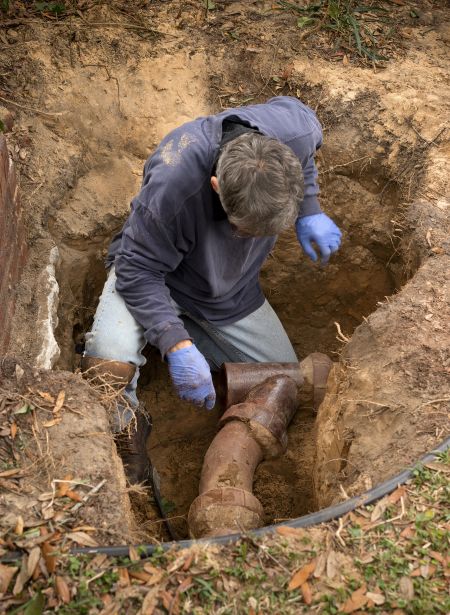
If a repair is appropriate, the team will expose the section safely, protect nearby landscaping where possible, and restore flow. If replacement is recommended, you will learn the plan for access, traffic or neighbor considerations, and how the yard will be restored when work is complete. Trenchless options may be considered when the existing line and site conditions fit. Your crew will test flow at the end and confirm everything drains correctly.
To understand the techniques and materials local pros trust, review how Berry Best Plumbing approaches sewer line repair for Denver homes and small businesses.
How Camera Findings Point To Repair Or Replacement
The camera is the decider. Here is how the footage typically translates into a plan:
- Fine, hairlike roots only at one joint with otherwise clean pipe walls often point to a sectional repair or localized trenchless liner.
- Cracks or offsets appearing every few feet signal an aging line. Replacement becomes the reliable path.
- Standing water for a long stretch indicates a belly. Short bellies might be managed, but long ones often justify replacement to restore proper slope.
- Severe corrosion or flaking in cast iron means the material is at end of life. Replacement avoids frequent emergencies.
While every property is unique, the rule of thumb is simple: fix isolated defects; replace when failures are widespread. Your plumber will explain options in plain language and help you choose the path that prevents repeat disruptions.
Common Myths That Lead To Bigger Problems
Some homeowners hope a temporary clearing will solve everything. Drain cleaning can restore flow, but when the line is damaged, it is only a short-term bandage. Another myth is that backups are only about tree roots. Construction debris, sagging pipe, and failing joints can cause the same symptoms. Finally, be wary of quick quotes without a camera inspection. A thorough inspection protects your investment and ensures the repair fits the real issue.
Choosing A Plumber You Can Trust In Denver
Look for a team that documents every step with video, explains choices clearly, and stands behind the work. Experience in neighborhoods with mature trees and mixed-age housing stock is a plus. Ask how they protect lawns and hardscapes, and how they verify final performance. If you want to get familiar with services from the source, you can start at our home base for sewer line repair in Denver, CO and see how our process keeps projects organized and on schedule.
Repair Today, Fewer Headaches Tomorrow
Once flow is restored and your yard buttoned up, think about the next decade. Regular camera checks can spot early changes before they turn into emergencies. If you have big shade trees near the sewer path, schedule periodic monitoring. If your block has older laterals and you plan a remodel that adds bathrooms or laundry, an inspection beforehand helps confirm your line can handle the added load. These are small planning steps that prevent surprise calls on a holiday weekend.
Real-World Denver Scenarios
Capitol Hill homeowner with recurring gurgles: The camera found a single offset joint with a tight root ball. A precise excavation and joint repair restored full flow. Park Hill bungalow with repeat basement backups: Footage showed multiple cracks and a long belly near the sidewalk. Replacement solved chronic flooding after heavy summer rains. Highlands duplex with odors near a garden bed: A hairline crack at a shallow depth was letting gas escape. A spot repair and proper soil restoration stopped the smell and protected the landscape.
Each case started with strong diagnostics, clear communication, and a fix tailored to the property. The right choice depends on what the camera shows and how the line performs as a system.
When To Call A Sewage Backup Plumber Immediately
There are moments when waiting is not an option. Call fast if you notice wastewater surfacing at a floor drain, if multiple fixtures back up at once, or if you smell strong sewer gas indoors. Sewage exposure is a health risk. Close off the affected area and keep kids and pets away until a licensed plumber arrives. Quick action protects your home and shortens the path to a clean, safe fix.
Your Next Step
If you are unsure whether you need a repair or a full sewer line replacement in Denver, the best move is a professional camera inspection and clear proposal. That starts with a conversation. Call Berry Best Plumbing at 303-922-3834 to schedule, or learn how our team approaches diagnosis and long-lasting solutions on our dedicated service page. When you are ready, we are ready to help.
For fast answers and a plan that fits your home, reach out now or review our process for reliable results on sewer line repair. We will document the problem, lay out your options, and guide you to the right fix the first time.